Friction costs more
An extra click or a slow page does more damage when the order is small. The margin to absorb it isn't there.

For online shops from €100k a month
When the average order is small, every bit of friction eats the margin, and your buyers have three other tabs open. We find out what makes them order from you and order more, put odds on every test idea before it's built, and run six to ten tests at once.
A free 30-minute call with the team. That's it.
What's different here
Low prices change the economics. You need more orders, bigger baskets and more repeat buyers to make paid traffic pay.
An extra click or a slow page does more damage when the order is small. The margin to absorb it isn't there.
Price-sensitive buyers compare everywhere and wait for small savings. Without a clear reason to buy from you, you're just another open tab.
When shipping is a big share of a small order, the checkout surprise kills the sale. The threshold and how you show it matter a lot.
One order rarely pays back the ad. The shops that win get buyers to come back, and most don't plan for it.
What we test here
Every idea starts in research into your buyers, then Apex by DRIP, our own testing tool, gives it a Likelihood to Win, based on 4.3 million past tests, before anyone builds it. One thing the database is clear on: the same tactic behaves differently at different price points. A few ideas that tend to show up:
Price per unit, pack savings and what's included, shown where buyers compare, so they don't leave to check.
Free-shipping progress and add-one-more suggestions that grow the order instead of annoying the buyer.
Guest checkout, fewer fields and the payment methods your buyers actually use, because every step costs more at a low price.
Reorder shortcuts and post-purchase offers that turn a first order into a second one.
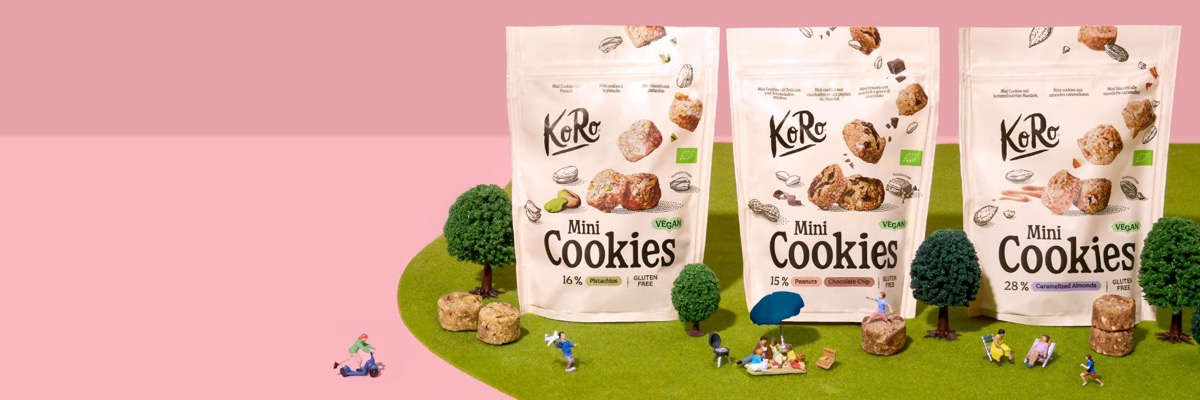
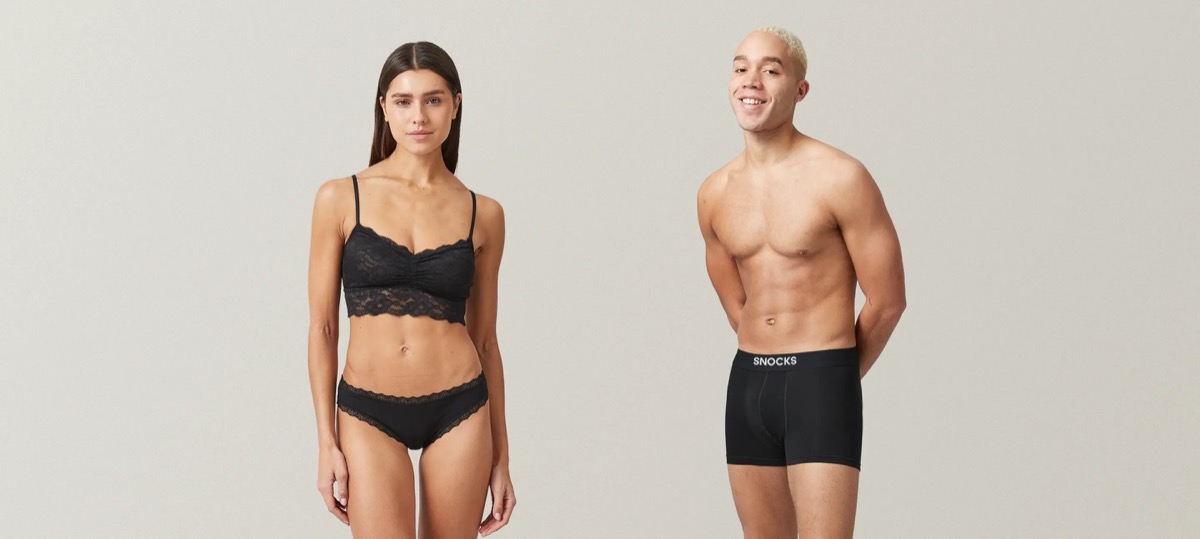
KoRo built its range around larger value packs. SNOCKS is our biggest scale story, from €2M to €90M a year.

€2.56M
in 6 months

€8.2M+
additional revenue
Often more than for anyone else, because small changes to conversion, basket size and repeat rate decide whether paid traffic pays. We measure every test in revenue per visitor, so both more orders and bigger baskets count.
Sometimes. Scarcity timers can lift revenue on impulse buys and hurt it on considered ones, and fake urgency costs trust. That's the kind of call the Likelihood to Win is for: it reads which idea fits your shop before you spend traffic on it.
That's usually the goal. Bundles, value packs, free-shipping thresholds and smart add-ons can grow the basket without touching the price tag. Which of them works for your buyers is what the tests find out.
The first month is research, and the first tests go live by the end of it. By month three, six to ten tests run at once and the first winners are live. The guarantee: at least 10% more revenue in under six months, or month seven onward is free.
We work with online shops from €100k a month. Book a call and we'll tell you straight whether yours is a fit, and if it isn't, we'll say that too.

Book a call with the team and tell us about your shop. We'll talk through where it stands, where you want it to go, and how we'd get you there. If working with us isn't the best return on your money, we'd tell you rather than take it.
30 minutes, and you'll know exactly where your shop stands.
The guarantee, in full
When you can predict what wins, you can promise the outcome. What counts as uplift, how it's measured, and what happens if we miss is written down in plain language.
We can promise it because we know our numbers: more than 50% of our A/B tests win, across 4,000+ documented experiments. That's when a guarantee stops being marketing and becomes underwriting.