01Why do agency switches lose so much?
You get the logins and a folder of screenshots. What you don't get is why a test was run, how solid the result was, and what went wrong in the build. Without that, your new agency either retests old ideas or throws out good ones.
A good handover keeps two things: the data, and the memory of what it meant.
02What should you get from your old agency?
| Asset | Why it matters | Minimum handover |
|---|---|---|
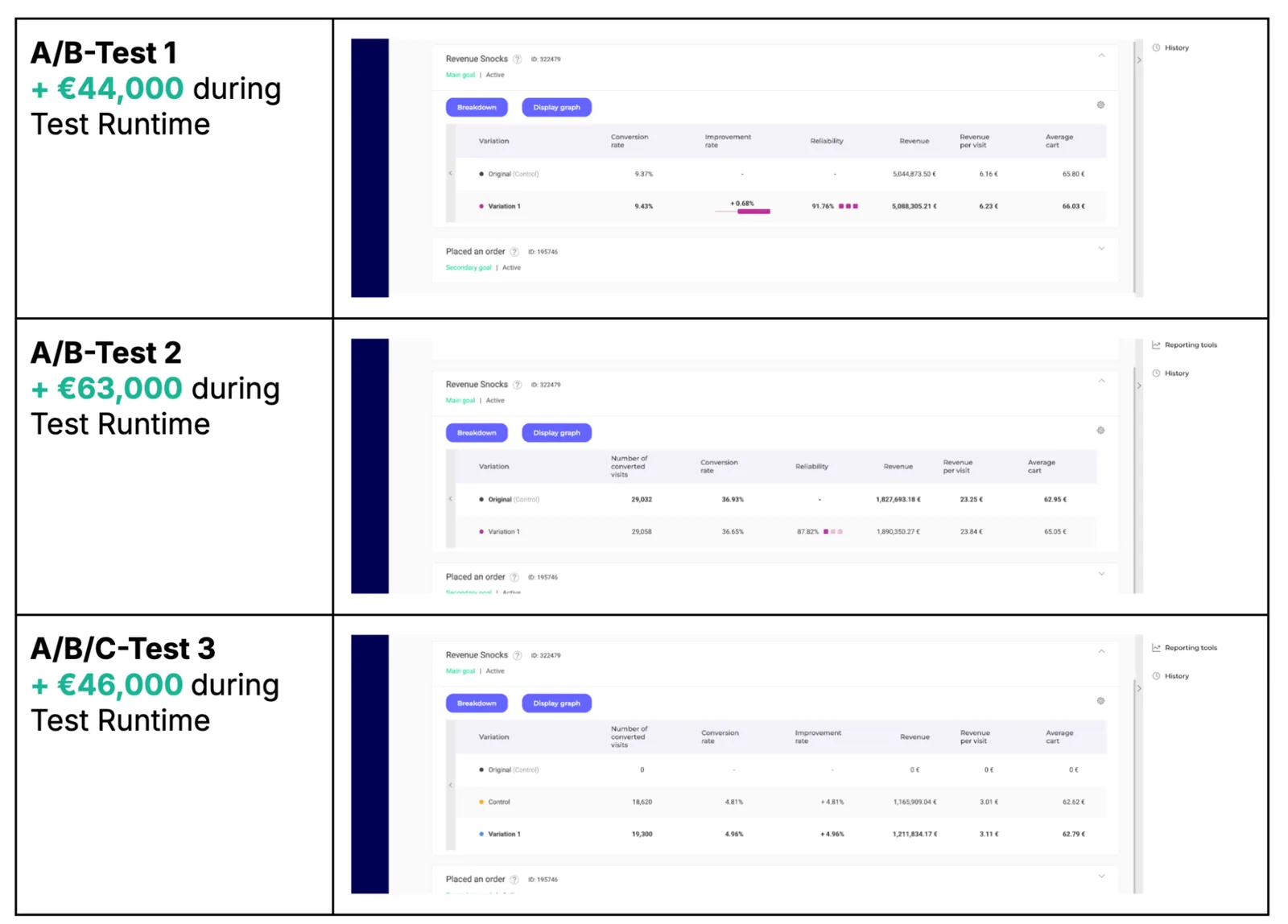
| Test log | Stops you retesting the same idea blind | Hypothesis, audience, dates, traffic, result, decision |
| Tracking map | Keeps your numbers comparable | Events, revenue logic, consent mode, known issues |
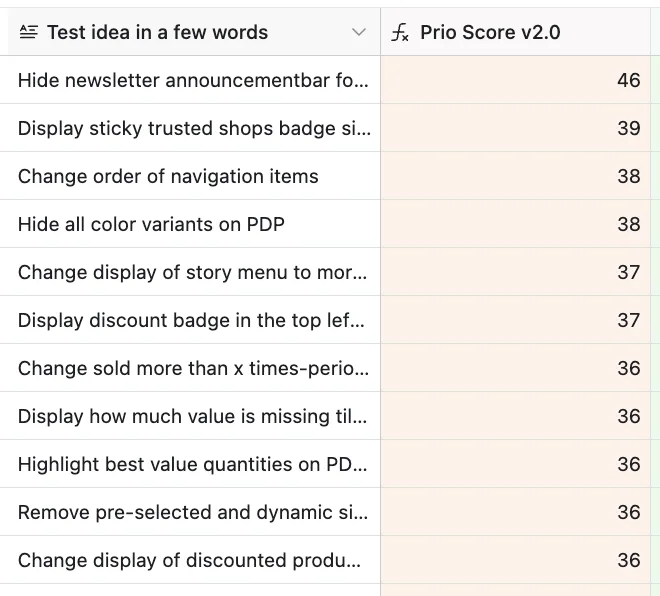
| Backlog | Keeps the momentum | Ranked ideas with the reason and evidence for each |
| Code and QA notes | Prevents broken rollouts | Variant code, screenshots, QA findings, rollback notes |
03What should the first 30 days look like?
- Week 1: check access, tracking, the testing tool and the test log.
- Week 2: sum up what past tests taught you and clean up the backlog.
- Week 3: agree on QA standards and launch the first low-risk tests.
- Week 4: set the new prioritization rhythm and review the measurement.
04Can you keep using old test results?
A result is only as good as the setup behind it. If the old agency stopped tests early or changed the goal halfway through, mark the result as weak and test it again when it matters. If the setup was clean, keep it and build on it.
If you're not sure how to judge an old result, the peeking problem is a good place to start.
05Where does DRIP fit?
Our first job after a switch is simple: keep what's useful, drop what isn't reliable, and get tests running again without losing measurement discipline. Your old test log is part of our research. What lost tells us as much about your visitors as what won.
From there we run Prediction-Based Experimentation. Every new idea gets a Likelihood to Win from Apex by DRIP, the testing tool inside DRIP, before it's built. More than 50% of our A/B tests win.
06Where can you read more?
- DRIP: switch CRO agency, how a switch to DRIP works.
- CRO agency selection criteria, a checklist for choosing the next partner.
- Clutch: DRIP profile, client reviews of DRIP.