The proof bar is high
People research before they buy. Without clear evidence, certifications or believable reviews, the safest choice is to do nothing.

For online shops from €100k a month
Your buyers want better sleep, more energy or less pain, and they doubt that one more product will get them there. We find out what makes them believe it, put odds on every test idea before it's built, and run six to ten tests at once.
A free 30-minute call with the team. That's it.
What's different here
Health purchases are driven by a personal goal and held back by one question: will this actually work for me?
People research before they buy. Without clear evidence, certifications or believable reviews, the safest choice is to do nothing.
Ingredients, dosage, safety notes. When it's all on the page at once, buyers get lost instead of convinced.
Health advertising is regulated, which takes the easy promises away. Winning here means explaining better, not promising more.
Worries about side effects or whether it fits their body stop first-time buyers. Once that trust exists, reorders follow.
What we test here
Every idea starts in research into your buyers, then Apex by DRIP, our own testing tool, gives it a Likelihood to Win, based on 4.3 million past tests, before anyone builds it. A few ideas that tend to show up:
Short quizzes and finders that match a product to the buyer's goal, so the choice feels made for them.
Studies, certifications and reviews from people with the same goal, placed next to the claim buyers question.
Programs and bundles explained step by step, so buyers understand what they get and how to use it.
Guarantees, returns and support shown before checkout, where a first-time buyer decides whether to try.
Numbers from our own case studies, with the tests behind them.

€4.7M
over 3.5 years

€773K / month
additional revenue
We test how you present and explain what you're allowed to say, never new claims. Often the win comes from clearer structure and better evidence, not from louder promises.
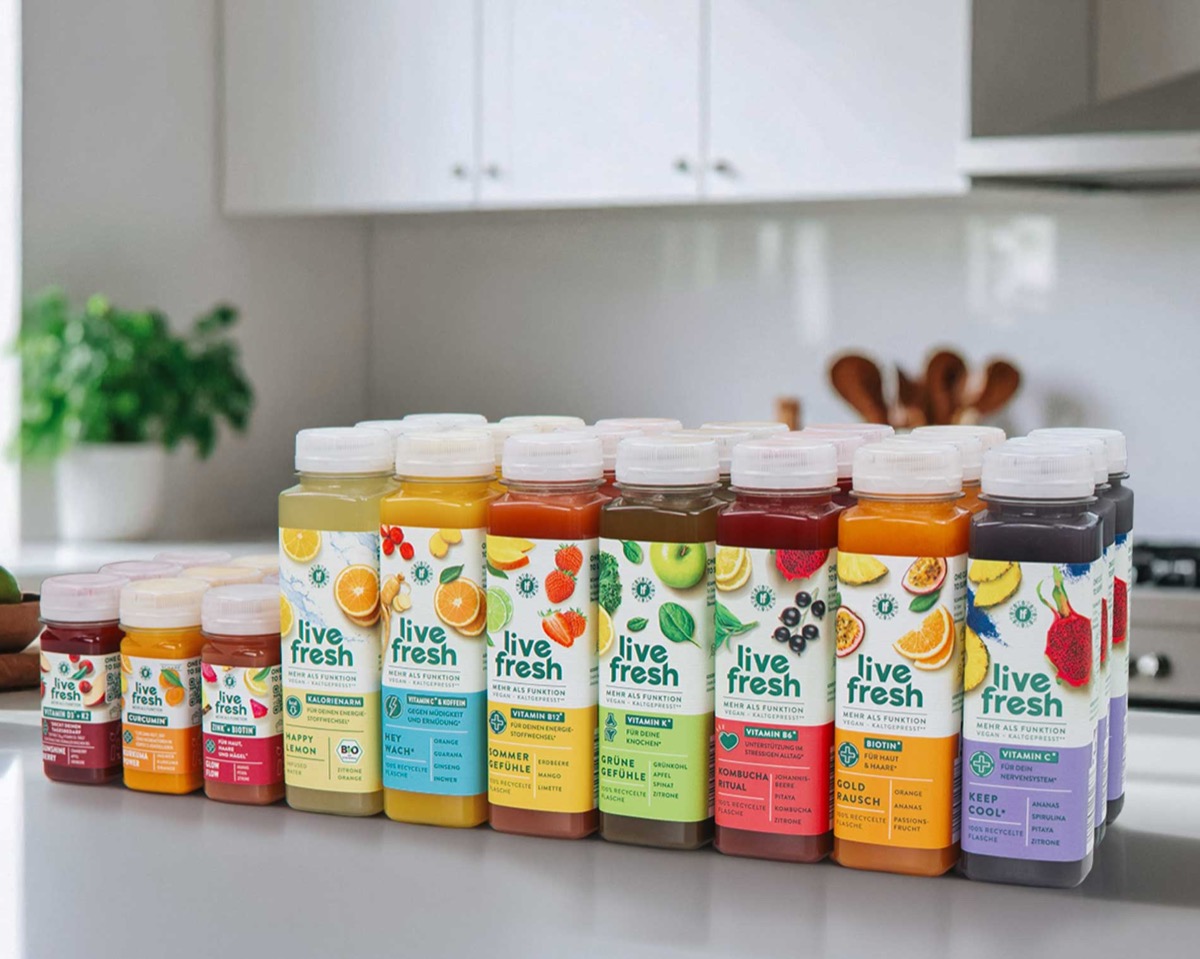
At Blackroll, the research split buyers into different groups, like sleep and fascia buyers, and the tests were built for each. At Livefresh, it showed that buyers were buying a guided reset, not just juice. Both full stories are in our case studies.
Sometimes a lot, sometimes not at all. That's why every idea gets its odds from Apex before we build it, and why we measure the result in revenue per visitor instead of quiz completions.
The first month is research, and the first tests go live by the end of it. By month three, six to ten tests run at once and the first winners are live. The guarantee: at least 10% more revenue in under six months, or month seven onward is free.
We work with online shops from €100k a month. Book a call and we'll tell you straight whether yours is a fit, and if it isn't, we'll say that too.

Book a call with the team and tell us about your shop. We'll talk through where it stands, where you want it to go, and how we'd get you there. If working with us isn't the best return on your money, we'd tell you rather than take it.
30 minutes, and you'll know exactly where your shop stands.
The guarantee, in full
When you can predict what wins, you can promise the outcome. What counts as uplift, how it's measured, and what happens if we miss is written down in plain language.
We can promise it because we know our numbers: more than 50% of our A/B tests win, across 4,000+ documented experiments. That's when a guarantee stops being marketing and becomes underwriting.