Taste is a guess
Without tasting, first-time buyers need other proof: reviews that describe the taste, real photos, and a reason to try the unfamiliar.

For online shops from €100k a month
Your buyers can't taste anything before they order, they read every label, and shipping costs hurt more on a small basket. We find out what makes them order and reorder, put odds on every test idea before it's built, and run six to ten tests at once.
A free 30-minute call with the team. That's it.
What's different here
Food online is bought on trust and habit. The first order is a leap, and the business is in the orders that follow.
Without tasting, first-time buyers need other proof: reviews that describe the taste, real photos, and a reason to try the unfamiliar.
Allergens, sourcing, nutrition. Buyers want it quickly, and a brand that hides it loses trust before the cart.
Delivery costs weigh more on a small order. Free-shipping thresholds and bundles decide whether the basket grows or gets abandoned.
Subscriptions and reorders make the money. Getting there without pushing a subscription too early is its own problem.
What we test here
Every idea starts in research into your buyers, then Apex by DRIP, our own testing tool, gives it a Likelihood to Win, based on 4.3 million past tests, before anyone builds it. A few ideas that tend to show up:
Reviews and descriptions that talk about flavour and texture, shown next to the product instead of generic star ratings.
Sets and larger packs that make the basket worth the shipping, framed around how people actually eat and use the products.
How far the buyer is from free shipping, shown in the cart, with sensible suggestions to close the gap.
Finders and starter sets for buyers who don't know the range yet, so the first order is an easy yes.
Numbers from our own case studies, with the tests behind them.

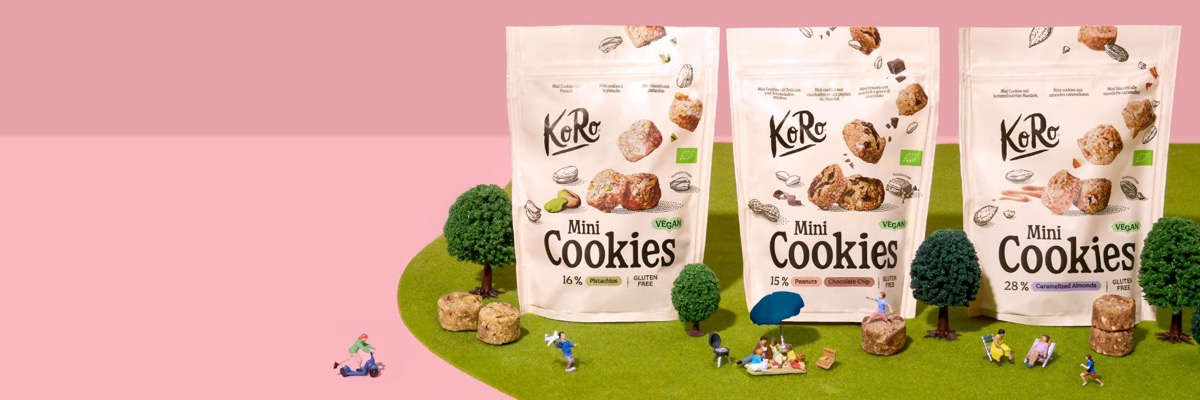
€2.56M
in 6 months

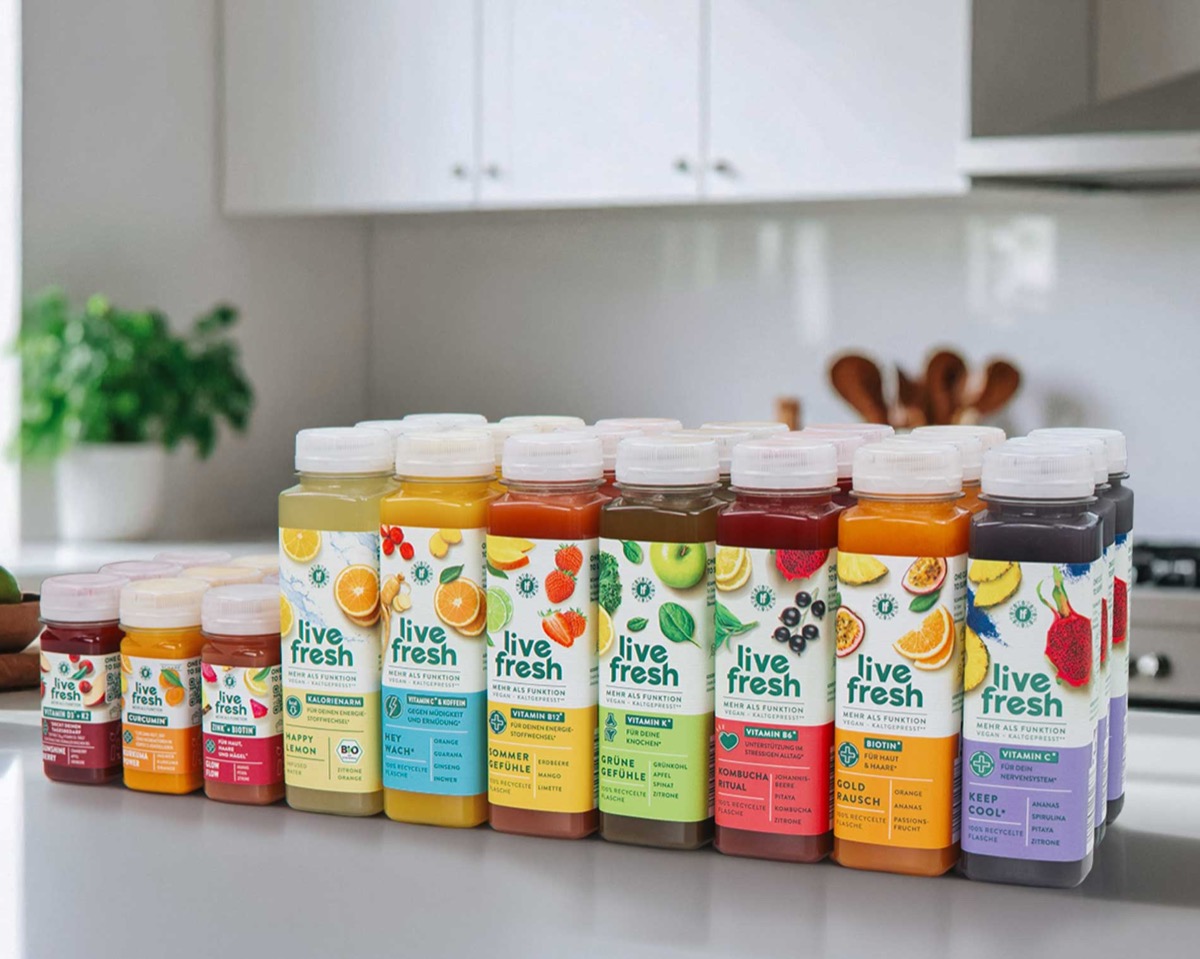
€4.7M
over 3.5 years
Yes, and small baskets are often where it pays most, because every extra item and every avoided abandonment moves the margin. We measure tests in revenue per visitor, so a test that grows the basket counts as much as one that wins more orders.
Yes. Subscription offers, reorder paths and bundles can all be tested. The research tells us where repeat buyers come from, and the odds from Apex tell us which ideas are worth building first.
Both case studies show it in detail. KoRo went from no structured testing to a research-led program. Livefresh learned that buyers weren't only buying juice, they were buying a guided reset, and the tests were built around that. Both full stories are in our case studies.
The first month is research, and the first tests go live by the end of it. By month three, six to ten tests run at once and the first winners are live. The guarantee: at least 10% more revenue in under six months, or month seven onward is free.
We work with online shops from €100k a month. Book a call and we'll tell you straight whether yours is a fit, and if it isn't, we'll say that too.

Book a call with the team and tell us about your shop. We'll talk through where it stands, where you want it to go, and how we'd get you there. If working with us isn't the best return on your money, we'd tell you rather than take it.
30 minutes, and you'll know exactly where your shop stands.
The guarantee, in full
When you can predict what wins, you can promise the outcome. What counts as uplift, how it's measured, and what happens if we miss is written down in plain language.
We can promise it because we know our numbers: more than 50% of our A/B tests win, across 4,000+ documented experiments. That's when a guarantee stops being marketing and becomes underwriting.